Legumes

admin_legumes

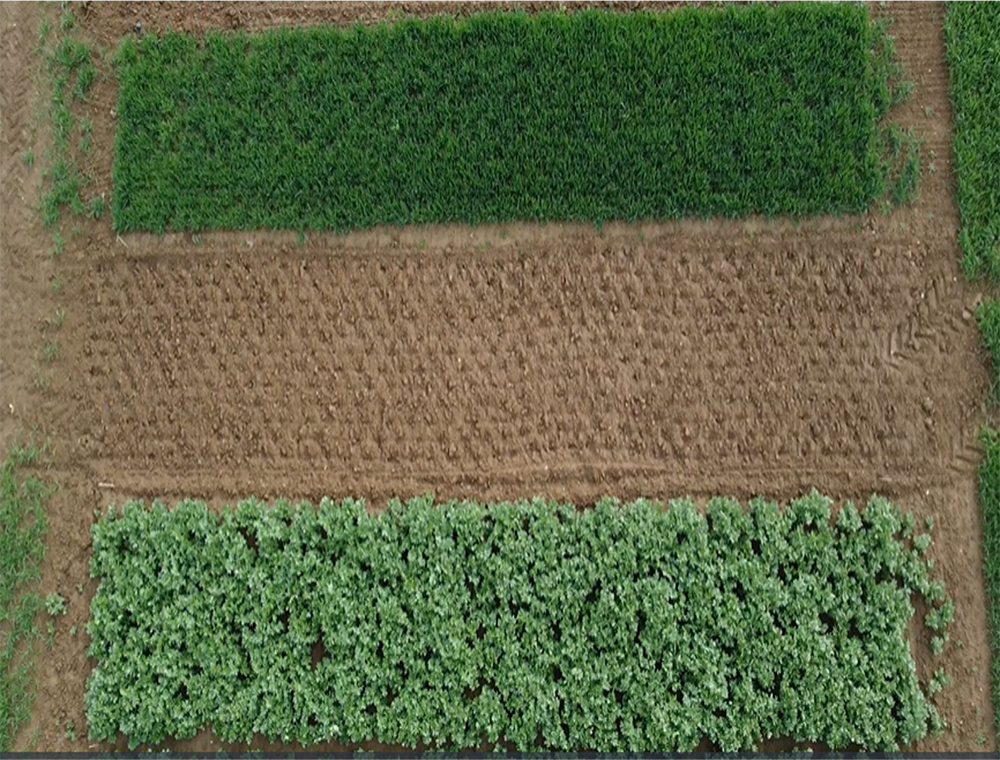
Pilot Study 15: Crop Diversity Experiment

The Crop Diversity Experiment, established in 2018 at the Aprisco experimental research station, investigates the benefits of crop mixtures on ecosystem services (ES). This long-term study has provided valuable insights into how intercropping affects crop yield, weed suppression, soil biodiversity, and resource use efficiency (Stefan et al. 2021; Engbersen et al. 2021, 2022; Schöb et al. 2023).

Pilot Study 15: Crop Diversity Experiment Read More »
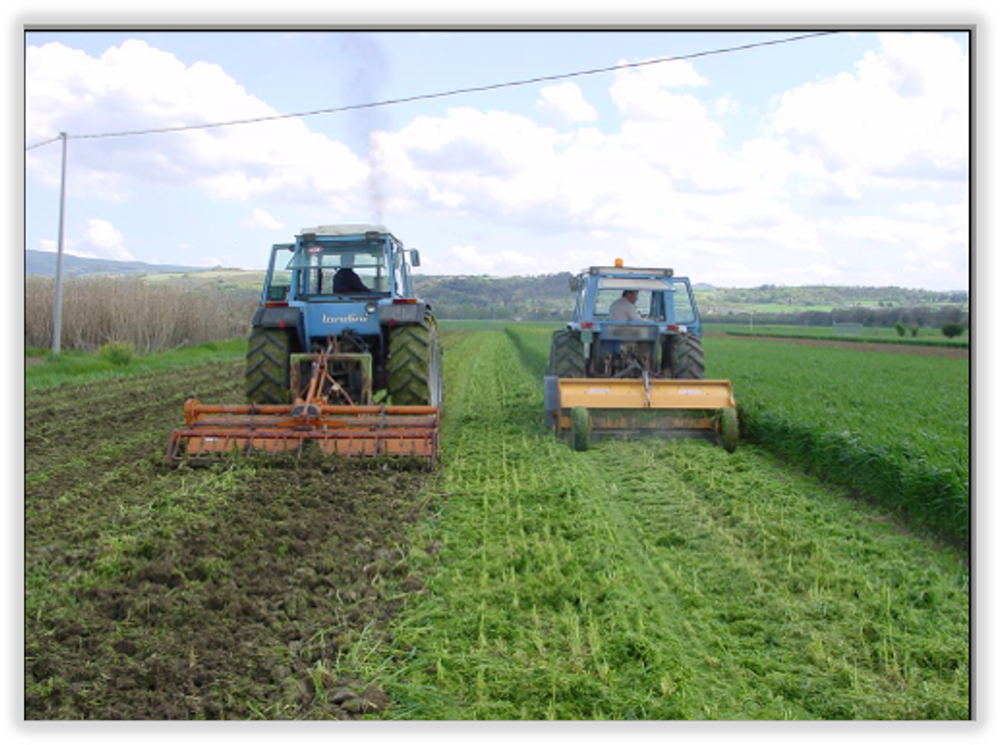
Pilot Study 13: LTE-Biosyst: Cover crop and intercropping within a 6-year rotation IT

Managing nitrogen fertility in Mediterranean agricultural systems is complex due to their distinct climate and soil characteristics. High temperatures and oxygen levels during the growing season lead to low soil organic matter, while cold and rainy winters increase nutrient leaching, particularly of nitrogen. These conditions create challenges in synchronizing nitrogen availability with crop demand, especially in organic systems where external inputs are limited.

Pilot Study 13: LTE-Biosyst: Cover crop and intercropping within a 6-year rotation IT Read More »

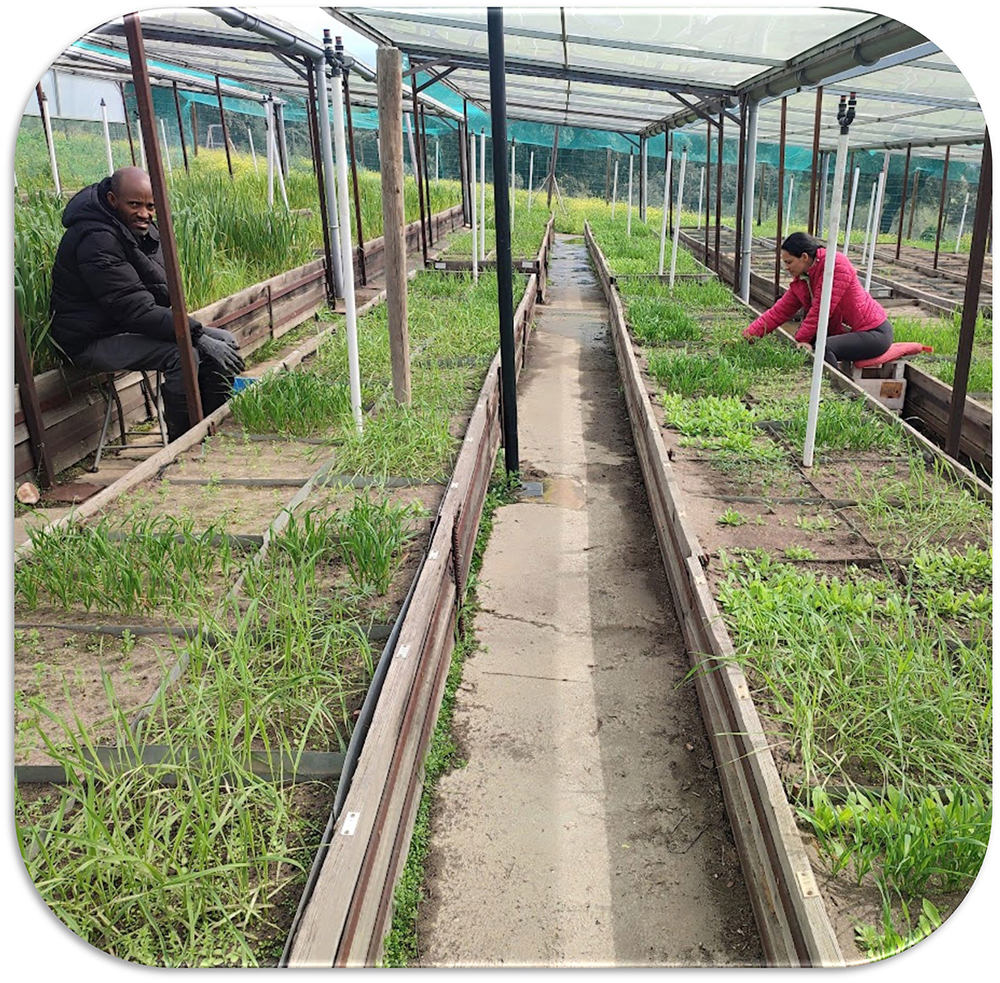
Pilot Study 12: Pilot Study Rotation

Mediterranean agricultural systems face significant fertility challenges due to their unique climatic and soil conditions. Low organic matter, nutrient leaching during wet winters, and harsh summer temperatures often lead to poor nitrogen availability and reduced yields—especially in organic systems. To address these limitations, Pilot Study 12 explores the use of legumes not only as productive crops but also as powerful soil fertility builders in rainfed rotations.

Pilot Study 12: Pilot Study Rotation Read More »

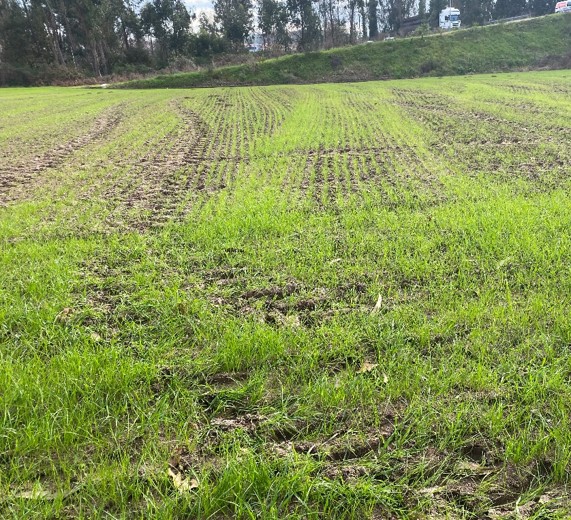
Pilot Study 10: Ecosystem services of legumes as forage crop compared to cereal mix

Vale do Leandro Agro Pecuária, a family-run dairy farm in Maia, Portugal, is seeking sustainable and protein-rich alternatives to improve its winter forage system. The farm currently relies on a cereal-based silage mix, complemented with imported soy to meet the herd’s nutritional requirements. However, challenges such as low protein content in silage, high herbicide use, soil acidity, and rising seed costs are driving the need for more resilient, locally adapted solutions.

Pilot Study 10: Ecosystem services of legumes as forage crop compared to cereal mix Read More »

Pilot Study 8: Biodiversity & faba beans: resources for pollinators

In the Hauts-de-France region, legumes remain underrepresented in crop rotations—but they hold untapped potential to support biodiversity. Faba beans, in particular, can provide vital floral resources such as nectar and pollen for beneficial insects, especially pollinators, during critical periods. As insect populations continue to decline, enhancing the availability of these resources is more urgent than ever.

Pilot Study 8: Biodiversity & faba beans: resources for pollinators Read More »

Pilot Study 7: Optimizing Nitrogen Use in Grain Legume-Based Cropping Systems

As part of France’s Plant Protein Plan (2020), increasing grain legume cultivation can enhance protein autonomy while reducing synthetic nitrogen fertilizer dependency. Legumes contribute to soil fertility, improving yield and nitrogen efficiency in subsequent crops. However, the variability of these benefits across different species and environments remains insufficiently understood.

Pilot Study 7: Optimizing Nitrogen Use in Grain Legume-Based Cropping Systems Read More »

Pilot Study 6: Enhancing Sheep Grazing Systems with Multi-Species Swards

MoThe increasing cost and environmental impact of synthetic fertilisers and imported feed—particularly soya-based feeds—pose significant challenges for livestock farming. Finding sustainable alternatives that maintain productivity while reducing inputs is critical for the future of grazing systems.

Pilot Study 6: Enhancing Sheep Grazing Systems with Multi-Species Swards Read More »

Pilot Study 5: Unlocking the Full Potential of Pulse Crops Through Yield Networks

Since its establishment in 2016, the Pea Yield Enhancement Network (Pea YEN) and later the Bean YEN (2019) have helped farmers and researchers understand yield variations in pulse crops across different fields, farms, and seasons. These Pulse YENs provide participants with detailed crop performance reports, benchmarking results against anonymized data from the wider network and identifying key drivers of high productivity.

Pilot Study 5: Unlocking the Full Potential of Pulse Crops Through Yield Networks Read More »

Pilot Study 4: Expanding Knowledge on Legume Intercropping for Sustainable Farming

Modern agriculture is under increasing pressure from climate change, biodiversity loss, and declining natural resources. To ensure food security while meeting Net Zero and environmental goals, farming systems must evolve toward sustainable, low-input practices that do not compromise productivity.

Pilot Study 4: Expanding Knowledge on Legume Intercropping for Sustainable Farming Read More »

Pilot Study 3: Enhancing Sustainability Through Legume-Legume Intercropping

Increasing domestic legume production is a key strategy for achieving Net Zero targets in agriculture. By reducing reliance on mineral nitrogen fertilizers and imported feed, legumes such as faba beans (Vicia faba L.) and peas (Pisum sativum L.) can lower greenhouse gas (GHG) emissions while improving soil health and ecosystem services. Additionally, with growing demand for plant-based proteins, expanding homegrown legume cultivation can strengthen food and feed security in the UK.

Pilot Study 3: Enhancing Sustainability Through Legume-Legume Intercropping Read More »